The final decision has been delivered, and it’s a game-changer for buyers & designers of retail paper bags delivered to the U.S. market.


For most luxury brands, packaging is sourced through distributors, companies that don't makeanything themselves. They broker between your brand and a network of third-party factories you may never see, visit, or audit. The result is a supply chain built on assumptions rather than transparency.
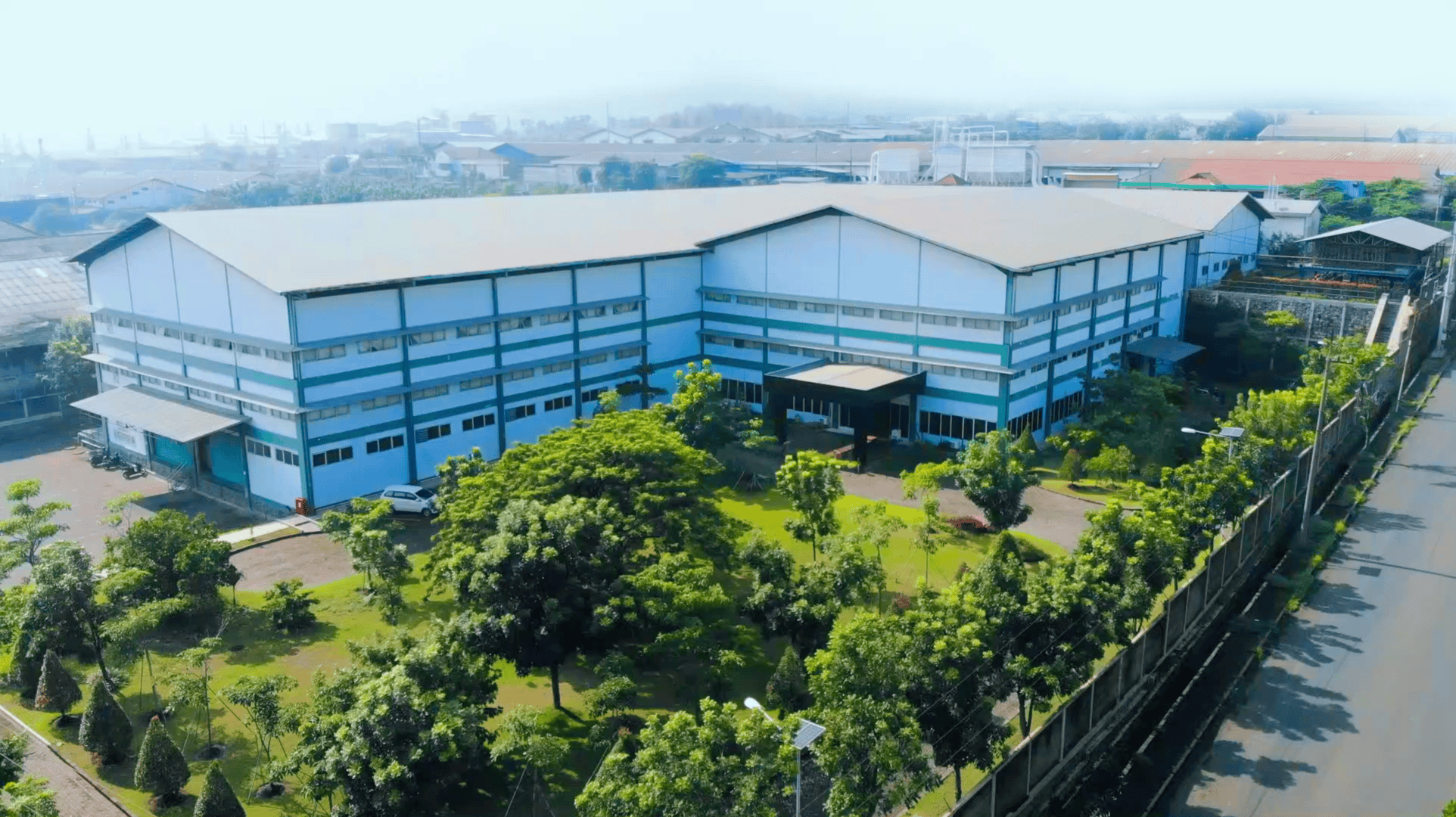
IDP Direct operates differently. We own and operate our factories across four regions
Indonesia, China, Europe, and North America. This isn't just a structural detail. It fundamentally changes what your brand can expect from its packaging partner.
The Distributor Problem
Traditional packaging distributors act as intermediaries. They take your brief, source productionfrom whichever factory can deliver on time and on budget, and handle the logistics in between. On paper, this works. In practice, it creates gaps.
You don't know which factory produced your order. You can't verify working conditions, environmental standards, or material sourcing at the production level. When quality issues arise, the distributor investigates on your behalf but they're as removed from the factory floor as you are
.
"We own our own factories and you can see exactly what they're doing."
— IDP Direct's factory-direct positioning
What Factory Ownership Actually Means
When IDP says "factory-direct," it means something specific. Our factories in Indonesia andChina are staffed by our employees, managed by our teams, and audited under certifications
we maintain ourselves - ISO 9001, ISO 14001, ISO 45001, SA8000, and Sedex/SMETA 4-Pillar.

1. Verifiable sustainability
Our China facility runs on 89% solar power. Our knitted paper handles are manufactured in-house using recycled paper and renewable energy. We don't inherit sustainability claims from suppliers, we generate them at the source.
2. Cost transparency
Factory-direct pricing removes the distributor markup. Our bill-on-delivery model means IDPtakes ownership of stock, tooling, and storage - brands are only invoiced when packaging ships. This changes the financial dynamics of packaging procurement.
3. Supply chain reliability
In-house corrugated board production means we don't depend on external board suppliers.When global supply chains tighten, our production lines keep running. The result: a 99.8% on-time delivery rate.
Why This Matters for Luxury Brands
Luxury brands face a specific challenge. Your packaging isn't just a container, it's the firstphysical touchpoint with your customer. It carries your brand story, your sustainability commitments, and your quality promise. That's a lot to entrust to a supply chain you can't see into.
Factory ownership solves this. It gives your brand direct access to the people, processes, and facilities behind every box, bag, and mailer that carries your name. And when your stakeholders, investors, or customers ask about your supply chain, you have a clear, verifiable answer.
If this is news to you, it's time to catch up.
The U.S. Department of Commerce and the International Trade Commission have issued antidumping and countervailing duty (AD/CVD) orders on paper shopping bags from Cambodia, China, Colombia, India, Malaysia, Portugal, Taiwan, and Vietnam.
This ruling imposes substantial duties ($$$) on imports from these 8 countries, and the ripple effects will undoubtedly be felt by procurement officers and CFOs at luxury brands.
Bag Specifications Covered in AD/CVD Ruling
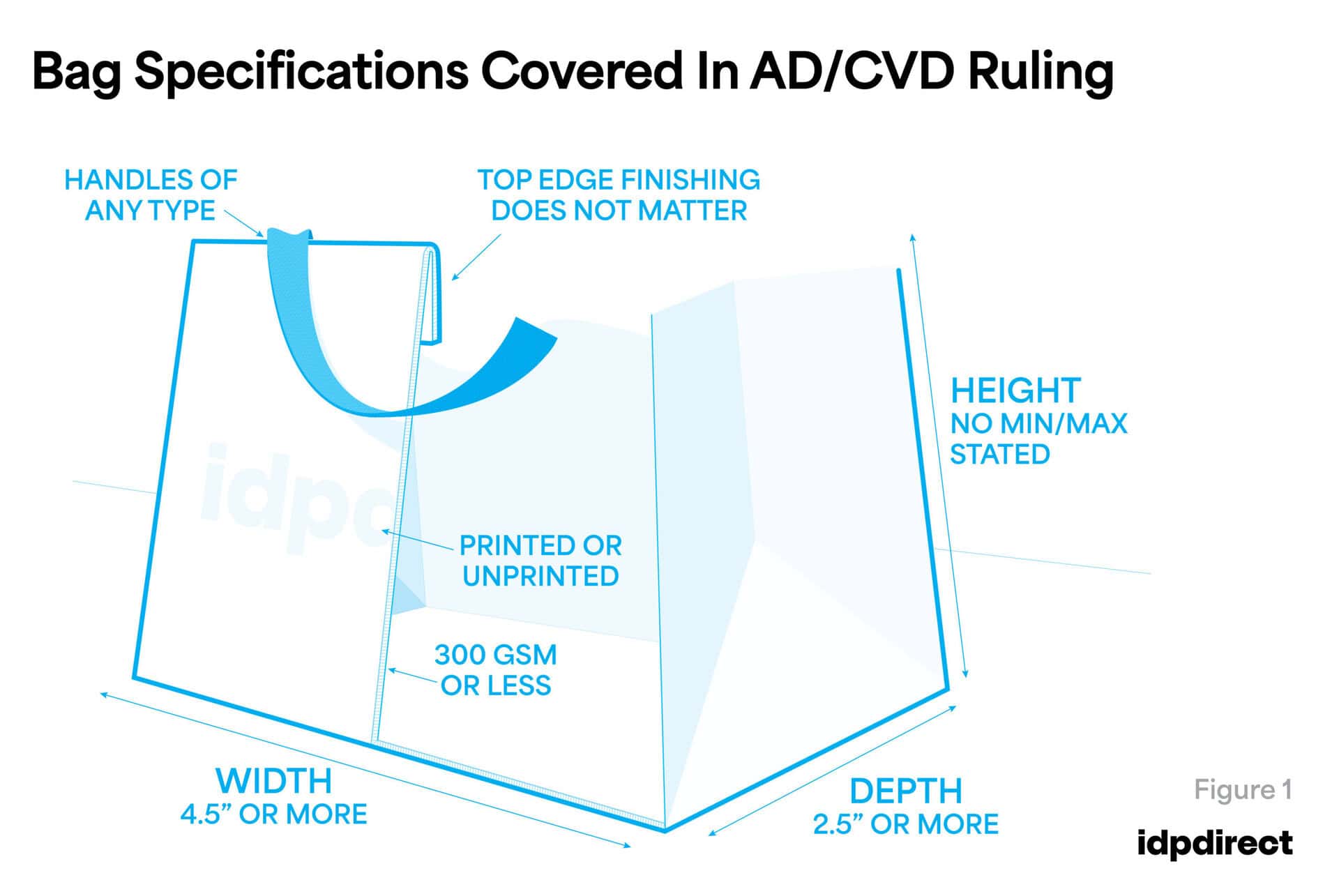
The scope of the orders includes paper shopping bags with handles of any type.
Bags can be made from kraft paper or from any cellulose fiber, paperboard, or pressboard including a basis weight of less than 300 grams per square meter (GSM), must have a minimum width of 4.5 inches and a depth of at least 2.5 inches.
How the top edges are finished does not matter, this includes fold over, reinforced, or serrated tops. Bags may or may not have any printing or adhesive for sealing.
Bags that meet this criteria are now subject to the new duties. See Fig. 1 below.
Handle Types Covered by AD/CVD Ruling
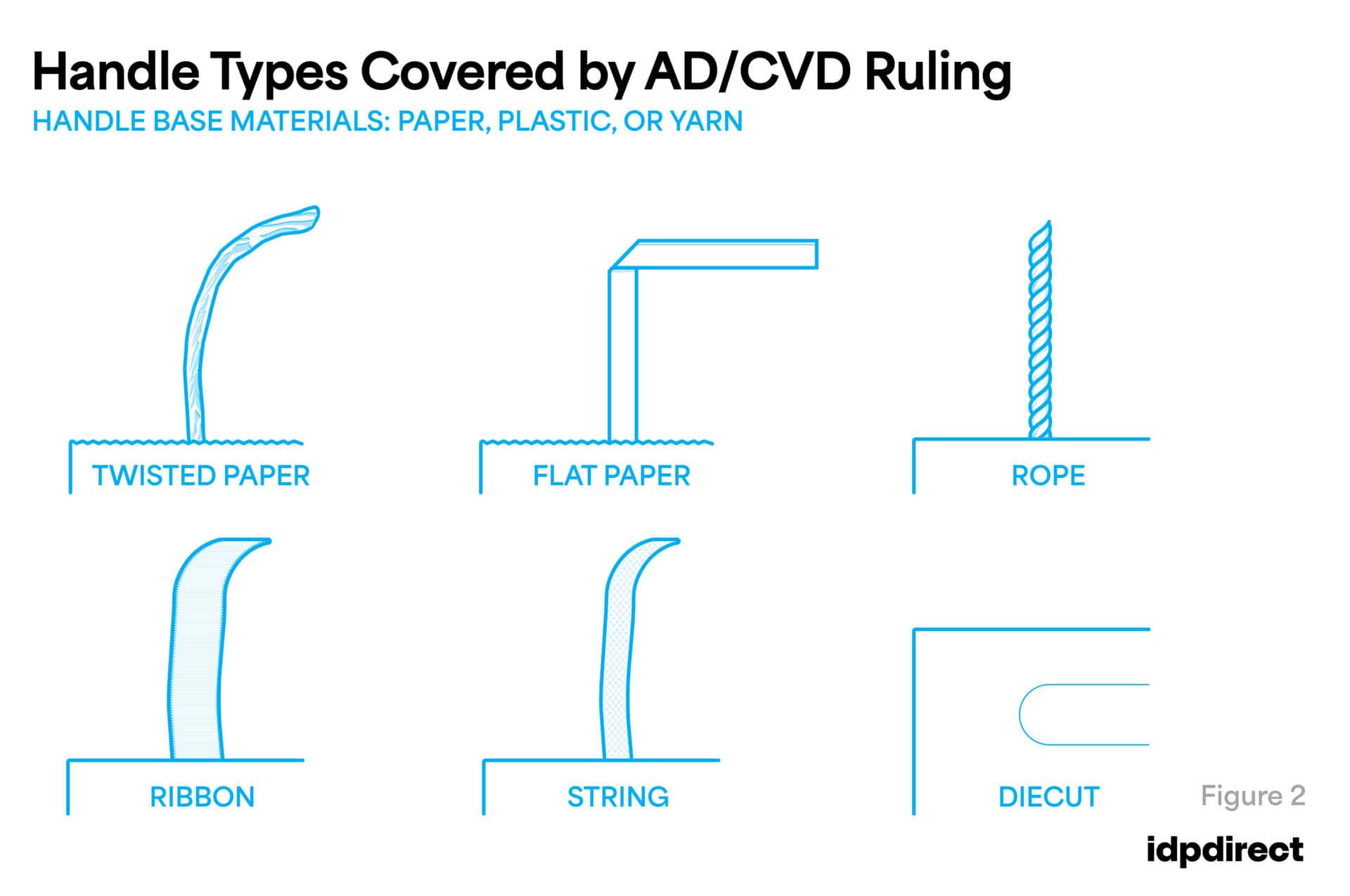
The ruling is thorough in its inclusion of all handle types. Whether your bags use twisted paper, flat paper, rope, ribbon, string, or plastic handles, or even die-cut handles, they are all subject to the new duties. See Fig. 2 below.
This comprehensive approach means that no matter the design, if your bags are sourced from the affected countries, they will incur significant additional costs.
Handle Exceptions
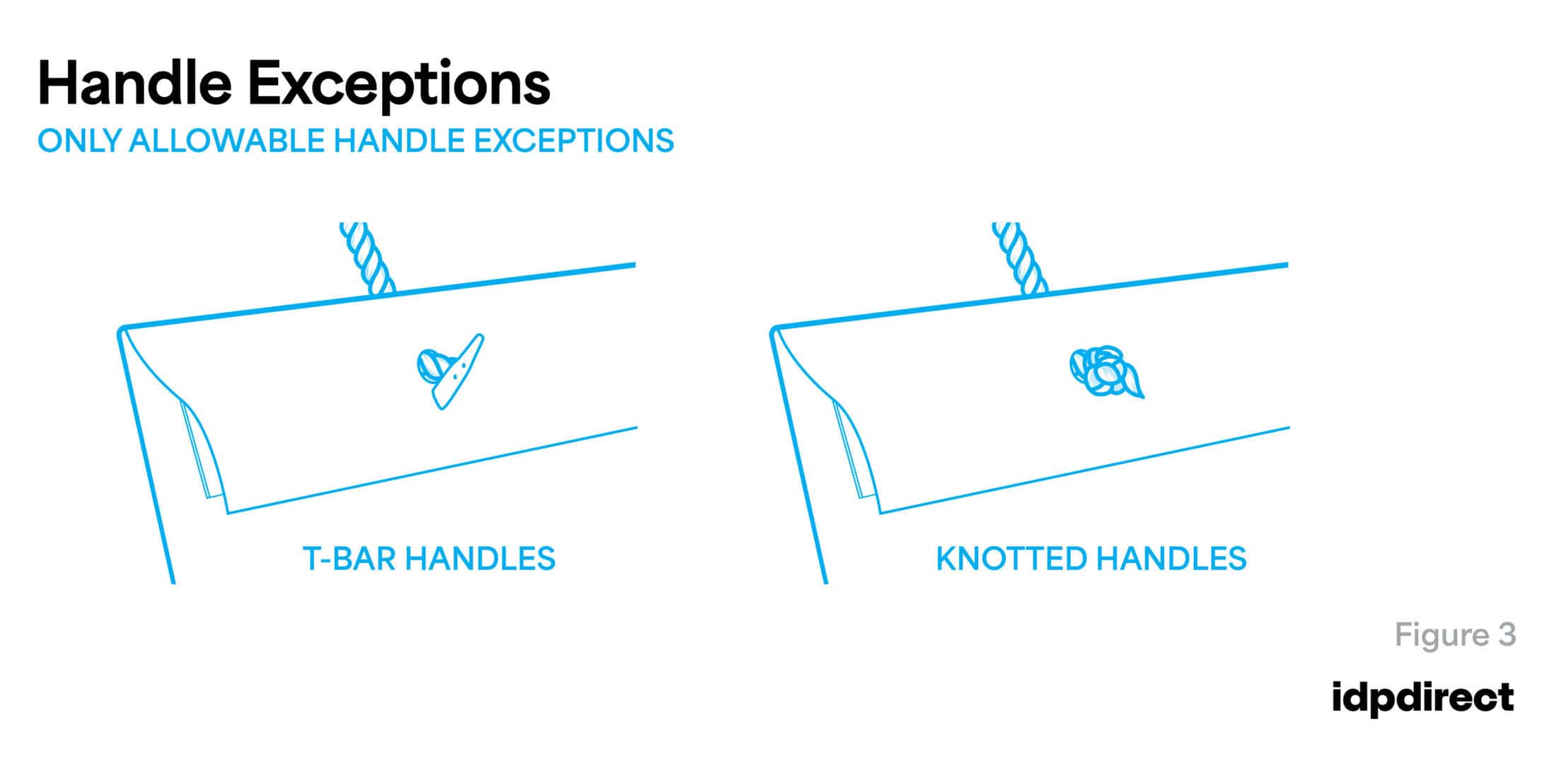
The only applicable exception are t-bar handles and knotted handles which honestly speaking, compromise the consumer experience and a brand's premium image.
See Fig. 3 below.
You've Been Warned: Circumventing the Duties
Packaging distributors and resellers have tried various tactics to sidestep these duties putting brands like yours at risk of heavy fines or having your goods seized at the port.
Examples of this sidestepping include misclassifying bags under false Harmonized Tariff Schedule (HTS) codes replacing the HTS codes for paper bags with fruits, furniture, and other goods that are not bags. Another example includes misrepresenting the sizes of the bags shipped to fall within the exceptions. These risky practices won’t work, as customs are now vigilant against such practices and looking to make an example of an importer.
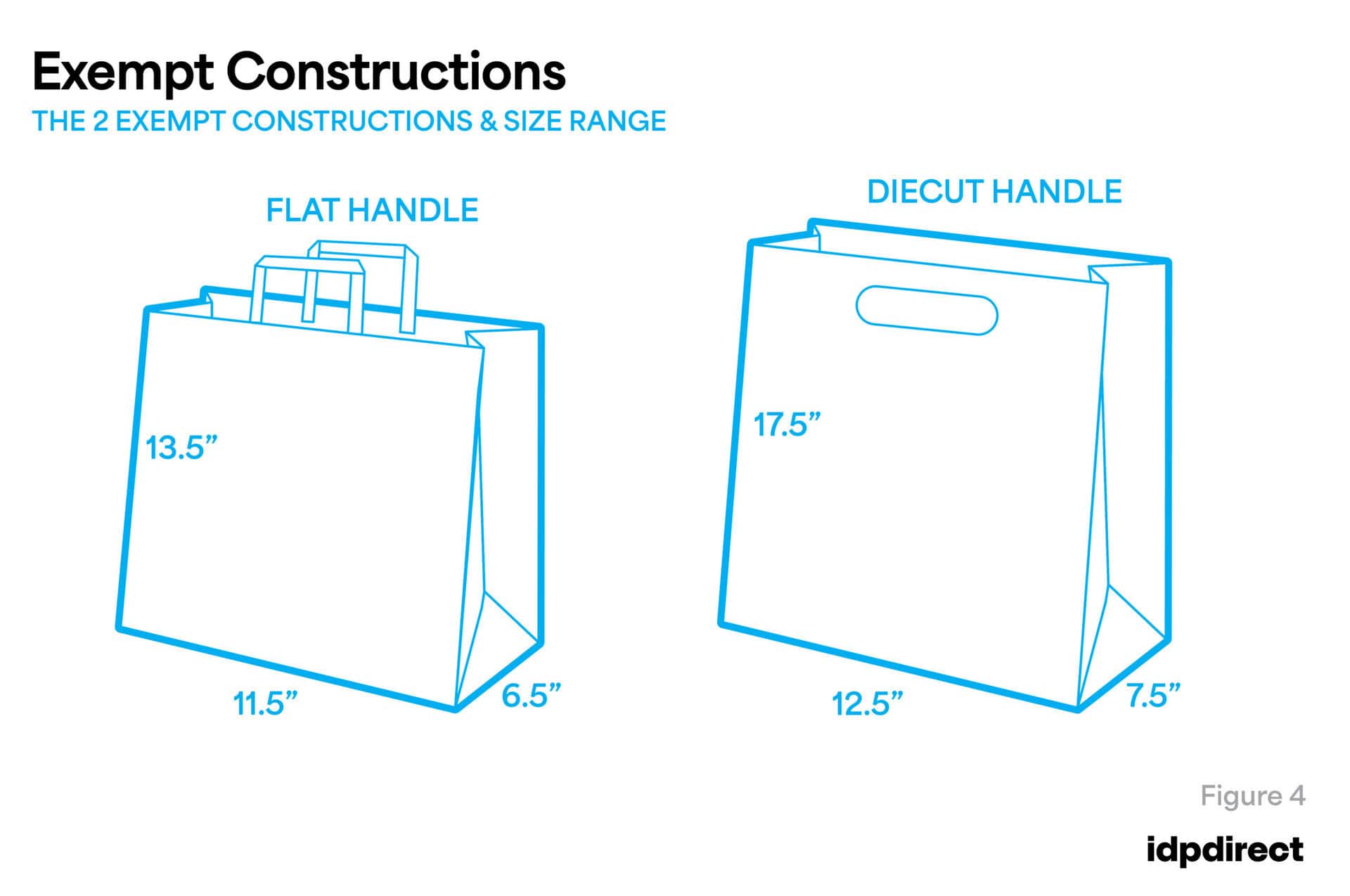
Additionally, limiting the sizes of paper bags to dimensions just outside the scope of the ruling is futile. The regulations explicitly cover a broad range of sizes and types, making these attempts ineffective and ensuring that nearly all luxury retail paper bags will be impacted.
See Fig. 4 above.
Impact of HTS Codes on Import Requirements
The new AD/CVD orders will significantly impact the HTS codes used when importing paper bags. Customs will closely scrutinize the codes to ensure compliance. Importers must ensure that the correct HTS codes are used to classify their products accurately. Misclassification or use of incorrect HTS codes to avoid duties can lead to severe penalties, including fines and seizure of goods. The relevant HTS subheadings for these paper shopping bags are 4819.30.0040 and 4819.40.0040.
Importers need to be diligent in their documentation and ensure all import declarations are accurate to avoid any legal issues and additional costs.
Avoid Antidumping Duties with IDP Direct
At IDP Direct, we cut through the confusion with transparency and solutions that align with your brand’s needs.
Several of the paper bag production facilities owned by IDP Direct are located outside of the 8 countries listed by the ITC Order and are entirely unaffected by these new AD/CVD orders. This means we can continue to deliver the same beautiful, luxury retail bags that your brand relies on, without the additional costs and compliance headaches.
Our business model is simple and effective: we produce high-quality, luxury packaging solutions outside the regions affected by these duties, ensuring that your costs remain stable and predictable. By leveraging our manufacturing facilities in Mexico and other non-affected countries, we legally side-step these new duties entirely.
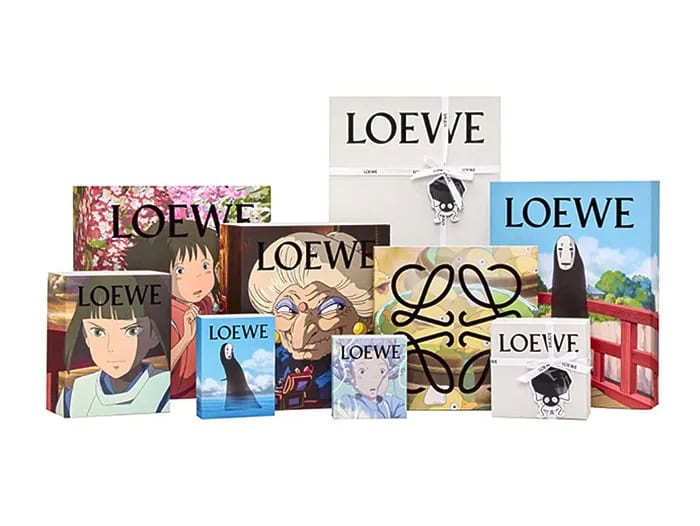
Our production capabilities include making knitted paper ribbons and high-quality paper bags, ensuring compliance with U.S. standards while maintaining proximity to reduce carbon footprints. We know brands are concerned they will be forced to take several steps backwards and move to poly ribbon handles, but this is not true. You can continue to support sustainable and recyclable paper bags with IDP Direct.
*We advise all brands to have their own legal representation review the documents for themselves, this is not legal advice. Download your own copy of the finalized order from the ITC here.
Explore our factory locations, review our certifications, or talk to our team about what factory-direct manufacturing means for your brand.