Design for Absence
What does your packaging actually need to do? We question every component before designing what's left. Less material. Less cost. Less waste. No compromise where it matters.
Does It Need To Exist?
The package itself is only one possible solution.
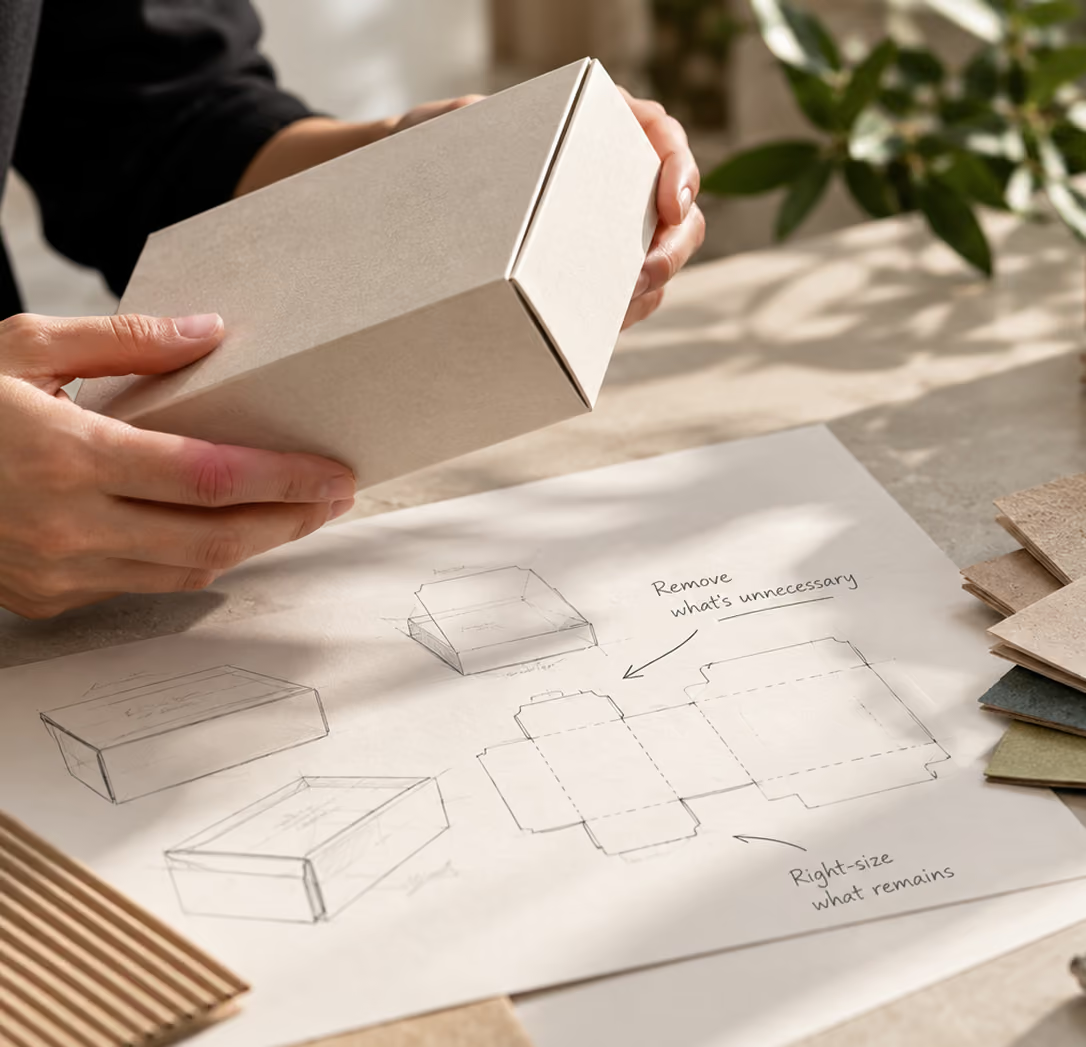
Remove Before You Improve
Measure What Exists
Materials, dimensions, components, weight, empty space and actual use.
Question Everything
Does it protect, improve the experience, or serve an operational requirement?
Remove Before Replacing
Eliminate excess. Consolidate sizes. Right-size what remains.
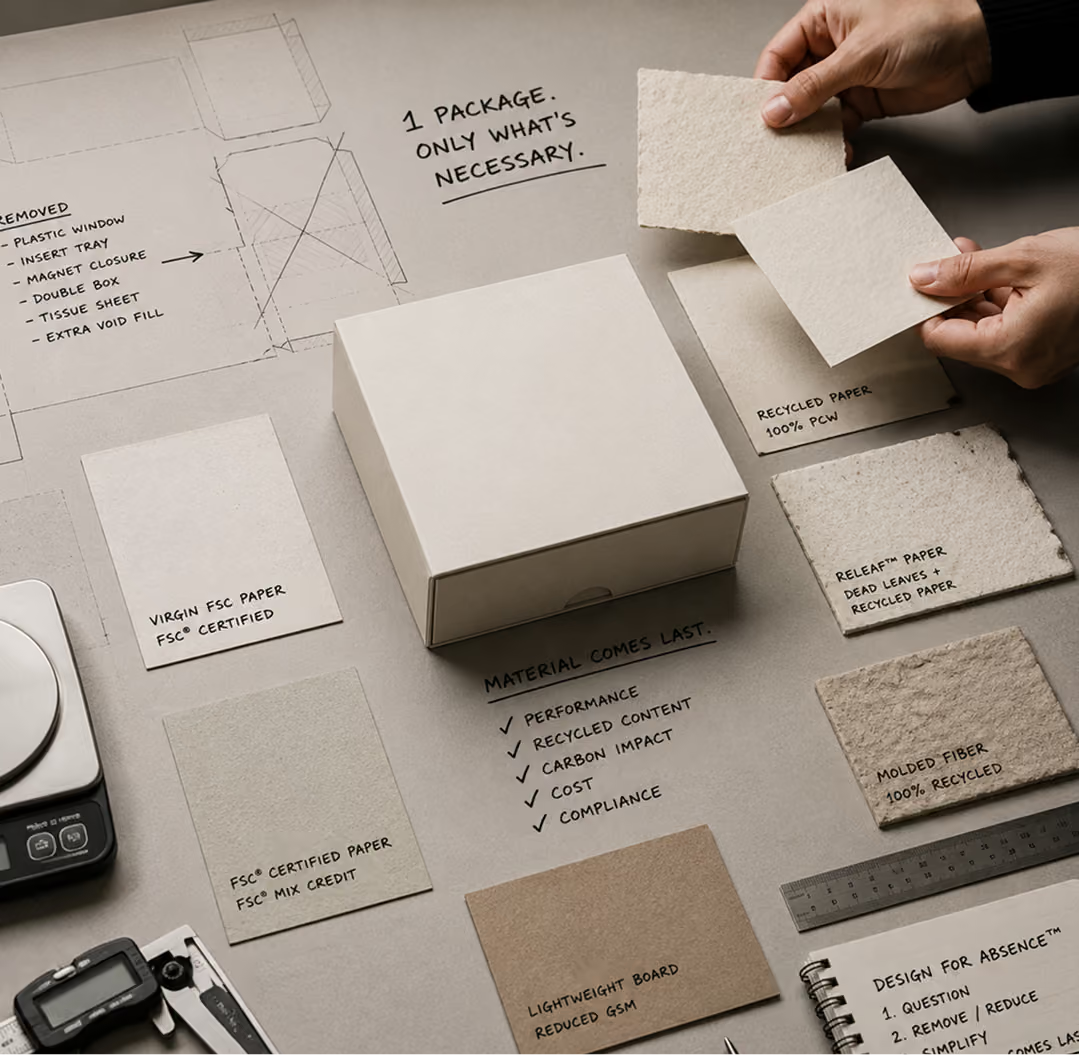
Engineer What Remains
Optimize for protection, experience, production, cost and impact.
Remove first. Optimize second. Replace materials last.
Better Materials Come Last
Design For Absence™ Delivers Results
Reduce materials, components, SKUs, freight volume, and the total cost of ownership across your packaging program.
Less material means less waste, lower emissions, and less packaging to manage against evolving regulations.
Remove what customers don't value while preserving the details, rituals, and interactions that make your brand recognizable.
Reusable Doesn't Mean Reused.
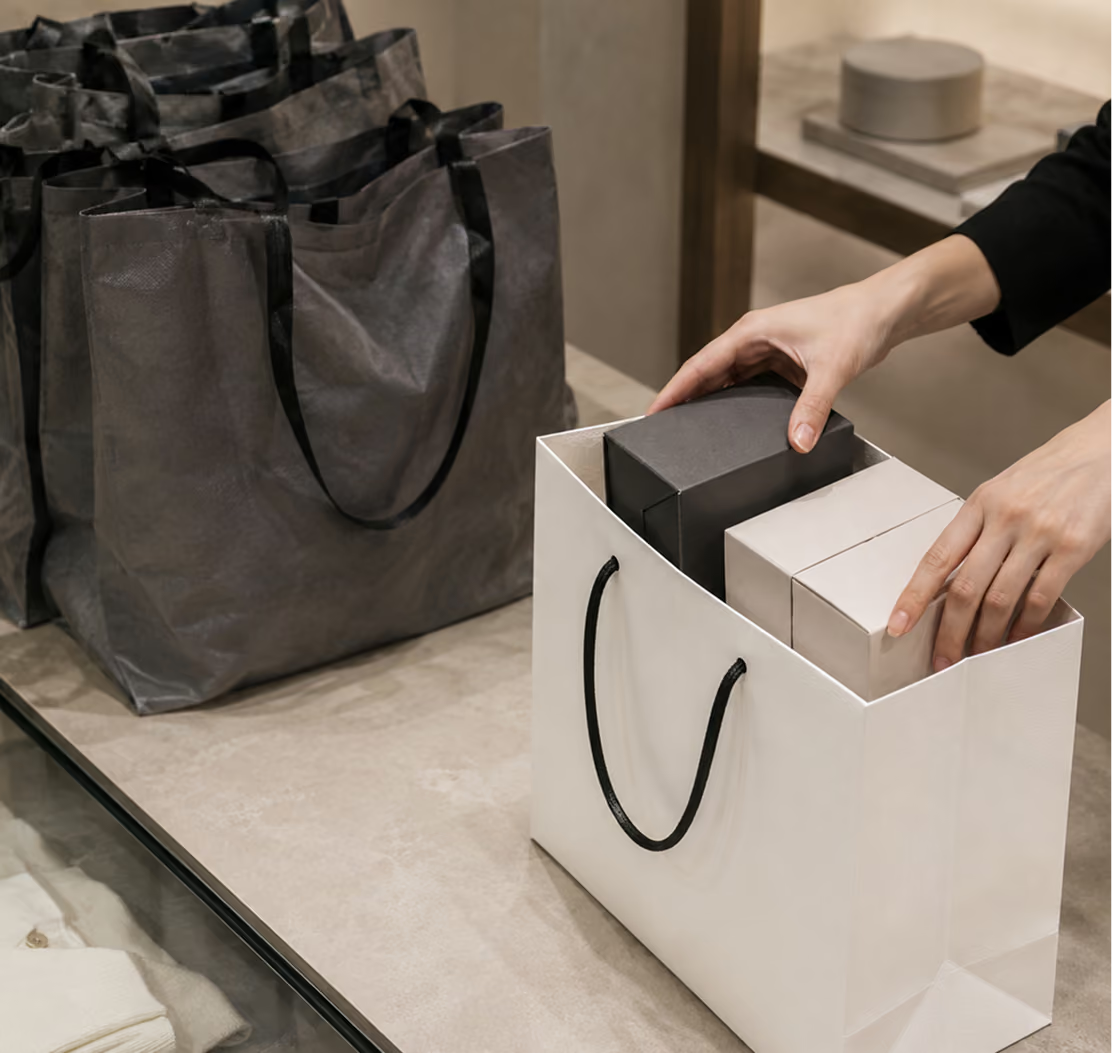
Rather than simply replacing plastic with paper, we first redesigned the size system and reduced the number of bags needed per transaction.
The result: more than 100,000 bags eliminated in year one.
Only then did we transition the remaining program to recyclable paper.
IN YEAR ONE
EXPERIENCE LOST
The remaining bags transitioned to recyclable paper.