
A retail box may be made mostly of paper but still need a plastic window, liner, or protective sleeve. That small piece can be difficult to replace because it has a job to do: protect the product, show what is inside, or keep moisture away.
Seaweed packaging is one option being explored for those jobs. Some forms use seaweed-derived ingredients to make thin films, while others turn seaweed by-products into paper or use seaweed compounds as coatings. The challenge is knowing which form suits the product, rather than assuming every material made from seaweed behaves like plastic.
What Is Seaweed Packaging?
Seaweed packaging uses marine algae or substances taken from them as part of the material. Brown seaweed contains alginate, while some red seaweed species provide agar and carrageenan. These compounds can be processed into gels and thin films, which manufacturers can then develop into different types of packaging.
The term covers several different products, not one standard material. A transparent seaweed-based film, a paper sheet containing seaweed residue, and a fiber tray with a seaweed coating can look and perform very differently. The other ingredients matter too, especially when a manufacturer needs greater flexibility, strength, or resistance to moisture.
Is Seaweed Plastic the Same as Seaweed Paper?
No, s. Seaweed plastic and seaweed bioplastic usually describe film-like materials made with seaweed-derived polymers, sometimes blended with other ingredients. Some formulations are designed to replace conventional plastic films, but being bio-based does not automatically mean a material is plastic-free or compostable.
Seaweed paper uses seaweed fibers or processing by-products within a paper-making process. It behaves more like a specialty paper substrate and may be better suited to tags, cartons, sleeves, or printed packaging than to a flexible pouch.
How Is Seaweed Packaging Made?
The manufacturing route depends on the finished product. A seaweed film and a seaweed paper sheet may share a raw material, but they do not follow the same production process.
- Grow and harvest the seaweed. Marine cultivation can take place on lines or other farming systems. Unlike land crops, seaweed grown at sea does not need agricultural land or freshwater for irrigation.
- Clean and prepare the material. Harvested seaweed is washed and processed. Depending on the application, it may be dried, milled, or separated into useful fractions.
- Prepare the packaging input. Film production may involve extracting substances such as alginate and blending them into a solution. Paper production can use processed seaweed fibers or remaining biomass alongside other paper-making inputs.
- Form the finished material. A manufacturer may cast and dry film, apply a coating to paper or board, or form sheets through a paper-making process. The material then needs testing, finishing, and conversion into its final packaging shape.
A lab film is not automatically ready for a packaging line. It must still survive cutting, sealing, storage, and handling.
Types of Seaweed Packaging and Their Uses
Seaweed-based materials are being developed for both consumer packaging and retail presentation. The following formats solve different problems, so they should not be treated as interchangeable.
Seaweed Paper for Luxury Retail Packaging
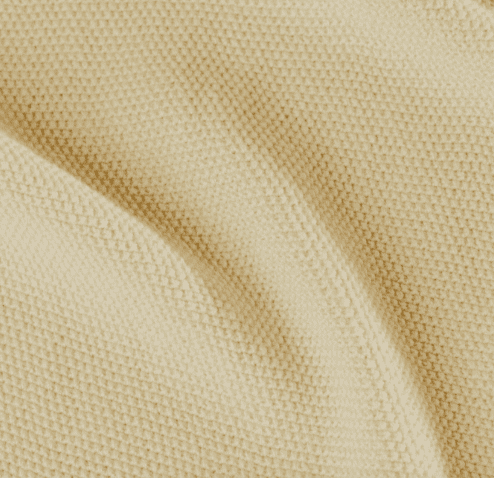
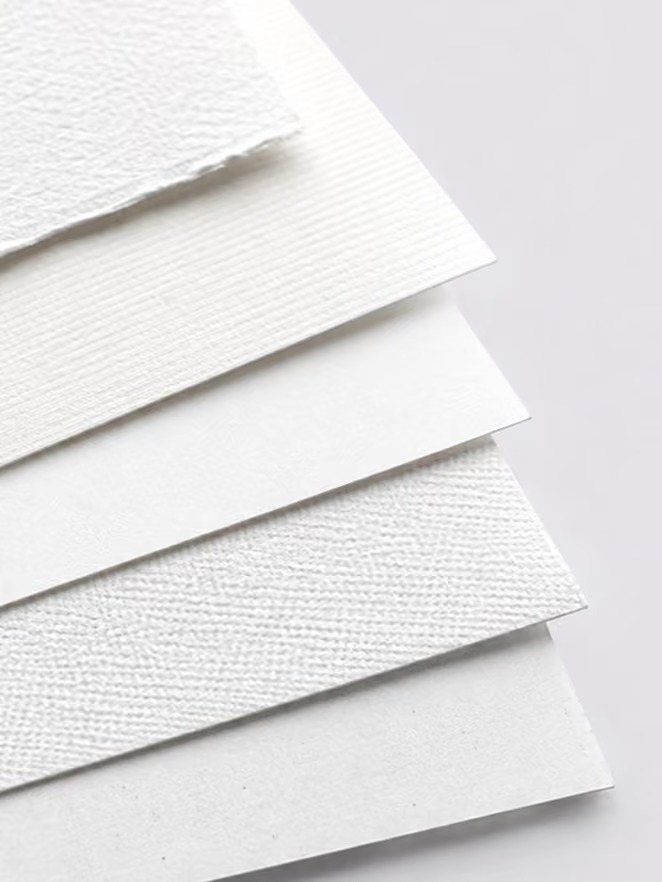
Seaweed paper is particularly interesting for premium packaging because its surface can have a visible grain or irregular texture. Rather than hiding its source, a brand can use that finish to make the material part of the design.
One example is Notpla Seaweed Paper, which uses leftover material from seaweed processing. Notpla offers it in 140, 280, and 350 gsm weights, with thicker grades available for packaging. It could be used for printed sleeves or cartons, although the paper's weight doesn't tell you whether it's strong enough for a particular design.
Films, Windows, and Coatings
A clear window in a retail box needs a different set of properties from a decorative paper sleeve. It must remain clear, resist tearing, and stay attached to the board without causing problems during filling or transport. Some seaweed-derived films are being developed for these uses, although results depend on their formulation.
Coatings are another route. They can be applied to paper or board to change how the surface handles grease or moisture. A food tray may need a barrier that an apparel box does not. Testing must reflect the intended use.
Seaweed-Derived Textile Fibers
Seaweed is also being used to develop textile fibers, a separate material category from films and paper. IDP Direct has featured Keel Labs' Kelsun fiber in its materials coverage, although suitability for fabric packaging would need its own production trials.

What Are the Benefits of Seaweed Packaging?
A Different Source of Raw Material
Seaweed can grow in the ocean without taking farmland away from food crops. Marine cultivation also avoids freshwater irrigation and can operate without the fertilizer inputs used for many land crops. Its environmental impact still depends on farming and processing.
The World Bank's seaweed research identifies growing opportunities for seaweed-derived materials, including bioplastics. But cultivation alone does not prove a package has a lower impact.
New Surfaces and Design Choices
Seaweed paper can bring natural variation into the surface of a box or tag. For a cosmetics brand, that might mean using a textured outer sleeve with a restrained printed logo instead of adding a separate decorative laminate. Each grade still needs testing for the intended finish.
It also needs to withstand printing, scoring, and folding. IDP Direct's packaging materials guide places these practical decisions alongside the appeal of alternative fibers.
What Are the Limitations of Seaweed Packaging?
Seaweed packaging has potential, but it can't simply replace every plastic film or paper product. Manufacturers still have to work out how the material will perform during production, shipping, and everyday use.
- Moisture sensitivity: Many seaweed-based polymers absorb water, which can be a problem for packaging exposed to humidity. Some films can block oxygen and grease quite well but struggle to keep moisture out.
- Strength and conversion: Films may tear or puncture too easily without further processing. Seaweed-based paper also needs testing to see how well it folds, holds its shape, and works with adhesives or finishes.
- Cost and availability: A material might be easy to obtain for testing but much harder to source in large quantities. Prices, quality, and supply can also vary between batches.
- Material composition: Coatings, inks, adhesives, and other ingredients affect how the finished packaging behaves. Just because it contains seaweed doesn't mean the whole package can be recycled or composted.
A 2025 scientific review of alginate films discusses these challenges, particularly the trade-offs between moisture resistance, strength, and barrier performance. A material that looks promising as a sample still needs to prove it can handle real packaging conditions.
Is Seaweed Packaging Biodegradable or Compostable?
Some seaweed packaging can biodegrade or be composted, but that doesn't apply to everything made with seaweed. The other ingredients matter, too. Adding certain polymers, inks, or adhesives can affect what happens to the packaging after use.
Biodegradable materials break down through biological processes under the right conditions. Compostable materials must meet specific requirements for safe breakdown in composting environments. Something suitable for industrial composting won't necessarily break down in a home compost bin.
In the US, the FTC Green Guides require compostability claims to be backed by evidence. Brands should check test results for the finished packaging and whether local composting facilities accept it.
Recycling is a separate issue. A carton made with seaweed paper might be accepted with other paper products, but a flexible seaweed-based film may not belong in regular plastic recycling. You need to check the finished material rather than assume it's recyclable because it contains seaweed.
How Should Brands Evaluate Seaweed Packaging?
Start with the job the packaging must do, then decide whether seaweed improves the design. This is consistent with IDP Direct's Design for Absence approach, which removes unnecessary materials before selecting replacements.
- Define the application. Is the material a product-contact layer, a retail sleeve, a decorative wrap, or an e-commerce component? Each needs different protection and durability.
- Test a physical sample. Check printing, folding, scuffing, sealing, color consistency, and performance after storage or shipping.
- Ask for the full composition. Find out what proportion comes from seaweed and which other ingredients are present. Request documentation for any environmental claim.
- Confirm supply at the planned volume. Check repeatability, lead times, available grades, and whether the material works with existing conversion equipment.
- Review the entire pack. A paper box may already meet the brief without a plastic window, extra insert, or new coating. Removing that component might be simpler than replacing it.
For food-contact packaging, safety also depends on the exact material and intended use. In the United States, the FDA explains that components of food-contact materials must meet applicable authorization requirements. Retail gift boxes that do not contact food present a different set of requirements.
Where Seaweed Fits in Luxury Packaging
IDP Direct has already highlighted seaweed paper and related materials in its published overview of sustainable packaging materials. This is a useful starting point for brands considering specialty paper, a different window material, or a reduced-plastic packaging format. That does not establish mass-production availability for every formulation.
A premium sleeve may benefit from seaweed paper, while a shipping box may be better served by corrugated board with fewer components. Choose for the product, not the trend.
Frequently Asked Questions About Seaweed Packaging
Can Seaweed Packaging Replace Plastic Completely?
Not across every application. Some seaweed films may replace particular plastic windows, sleeves, or coatings, but products needing long-term moisture barriers or very high strength may require other materials or further development.
Is Seaweed Packaging Waterproof?
Not automatically. Seaweed-based formulations vary, and many alginate films are sensitive to moisture. Ask for testing that reflects the humidity, temperature, and product the package will face.
Can Seaweed Packaging Be Recycled?
Not all seaweed packaging can go into the same recycling bin. Paper made with seaweed may be recyclable with other paper products, but seaweed-based films can require different disposal methods. Brands need to check how the finished packaging should be discarded and whether local recycling facilities will accept it.
Finding the Right Role for Seaweed Packaging
Seaweed offers interesting possibilities for specialty papers, films, and coatings, but replacing a familiar material should solve a real packaging problem. Start with a sample, test it in the finished structure, and check whether the outcome is better than simply using less material.
If you're reviewing alternative fibers or developing a new retail pack, contact IDP Direct to discuss the design, material, and manufacturing requirements.
Explore our factory locations, review our certifications, or talk to our team about what factory-direct manufacturing means for your brand.