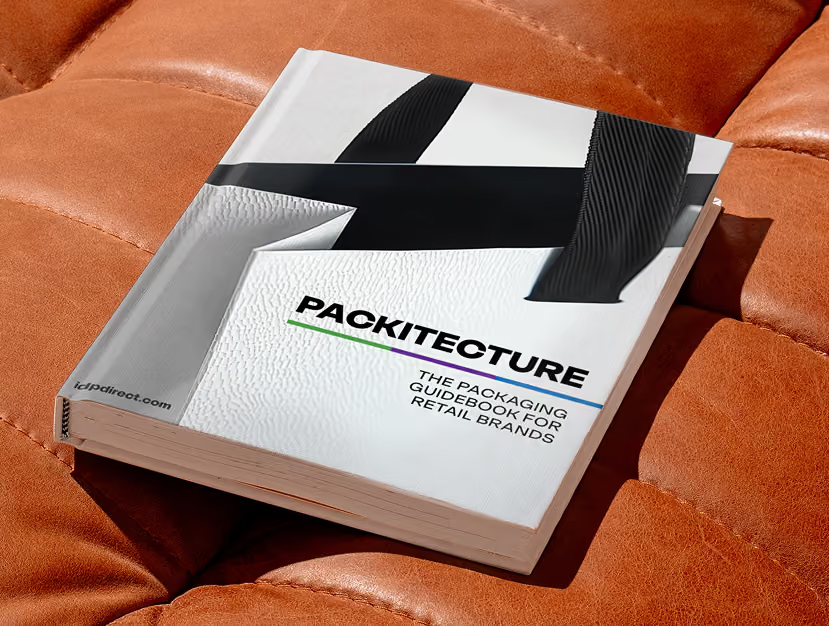

For Walpole's annual luxury yearbook, the packaging challenge was to protect a book in transit without covering its box in inks, coatings, and added decoration. IDP Direct developed a corrugated shipper using paper made partly from recovered coffee cups. Embossing created the artwork, and a folding structure replaced glue.
That project illustrates why choosing sustainable packaging materials involves more than swapping plastic for paper. The best material depends on what a package must do, how much is needed, where it comes from, and what happens after the customer opens it.
What Makes a Packaging Material Sustainable?
Sustainable packaging materials are often made with recycled content, responsibly sourced raw materials, or designed for reuse or recycling. But these features don't always go together. A paper bag might contain recycled fibers but have a coating that makes recycling difficult. A fabric bag, meanwhile, offers little benefit from reuse if customers only use it once.
The material is only part of the equation. A heavy box that travels halfway around the world has a different environmental footprint from one made locally with fewer components. Even the way a package is put together makes a difference. The U.S. Environmental Protection Agency recommends reducing waste and reusing materials before recycling them. That makes cutting out unnecessary packaging a good place to start.
8 Types of Sustainable Packaging Materials
1. Recycled Paper and Paperboard
Recycled paper comes from leftover materials generated during manufacturing or paper products that have already been used. Paper recovered after consumer use is known as post-consumer waste (PCW). The fibers can be processed into shopping bags, sleeves, folding cartons, box wraps, and rigid-box components, depending on the paper's strength and grade.
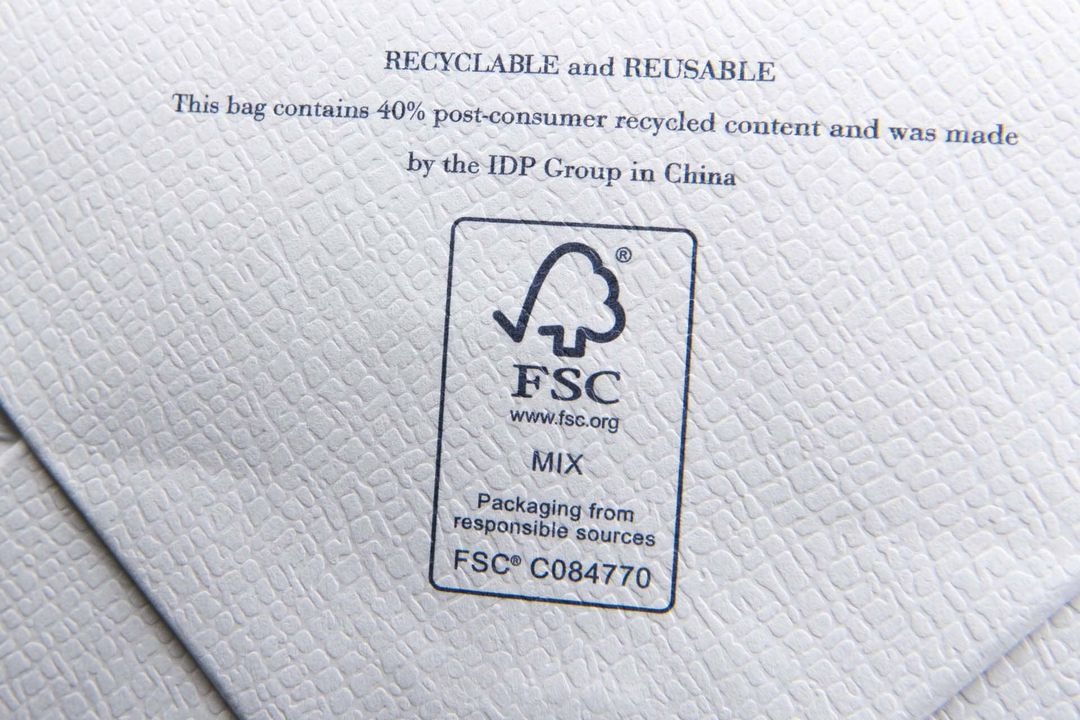
IDP Direct developed custom paper for Prada with 40% post-consumer recycled fiber, matching the color and texture across its shopping bags and rigid boxes. The project shows that recycled paper can still deliver the finish expected of luxury packaging. Strength, print quality, and compatibility with different finishes still need to be tested before production.
2. Responsibly Sourced Virgin Paper
Virgin paper uses fresh fibers rather than recycled ones. These fibers can be useful when packaging needs extra strength, a particular surface finish, or new material to support the recycling process. Where the fibers come from matters, too. The FSC label system identifies three categories: FSC 100%, FSC Mix, and FSC Recycled, each with different sourcing requirements.
An FSC label tells you about the paper's sourcing, but it doesn't mean the finished packaging can be recycled. Take a printed luxury shopping bag. Its protective coating, handles, or adhesives may affect how it's recycled. IDP offers paper and board options that include recycled, FSC-certified, and custom-developed papers.
3. Corrugated Fiberboard
Corrugated board has a wavy paper layer sandwiched between two flat sheets. This construction gives it strength without adding much weight, making it a common choice for shipping boxes, e-commerce mailers, and protective packaging. The type of paper, size of the flutes, and box dimensions all affect how well it protects the contents.
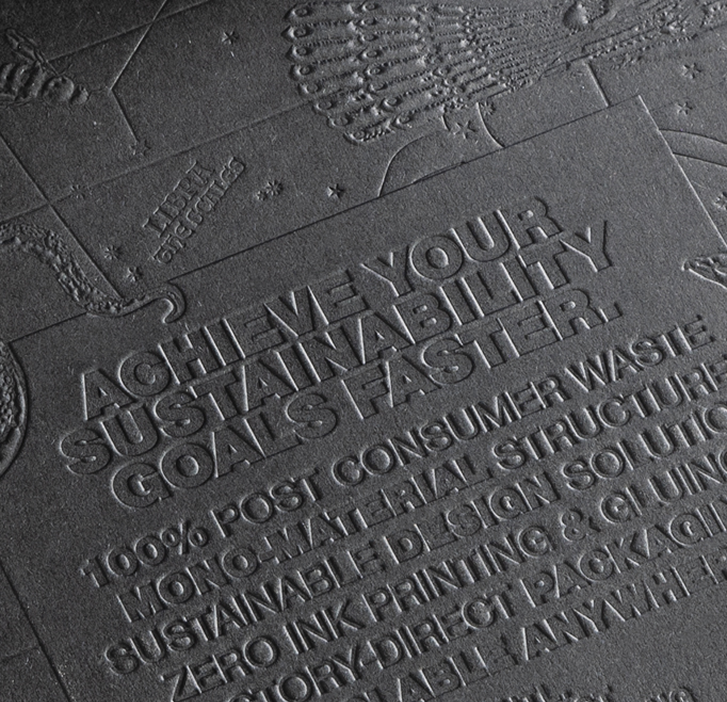
For its Walpole shipper, IDP used recycled paper made partly from discarded coffee cups. The box folded into place without glue, and embossing gave the surface its design without any printed ink. It’s an example of how changing a box's construction can cut out materials and production steps.
4. Molded Fiber and Pulp
Molded fiber packaging is formed from a water-based pulp mixture and shaped using tooling. It can protect bottles, cosmetics, electronics, and other items that need a fitted tray or insert. Depending on the product specification, the pulp may contain recycled paper, virgin fiber, or alternative plant fibers.
It can replace certain foam or plastic inserts, but it is not automatically the best option. Tooling, surface finish, moisture resistance, product weight, and recovery systems all affect the decision. Brands should test whether an insert is needed at all before commissioning a custom molded part.
5. Recycled and Reusable Textiles
Fabrics such as cotton and recycled textiles are used to make shopping totes, drawstring pouches, garment covers, and gift bags. Unlike paper packaging, fabric bags can withstand repeated handling and are often kept for other uses, giving customers a reason to hold on to them.
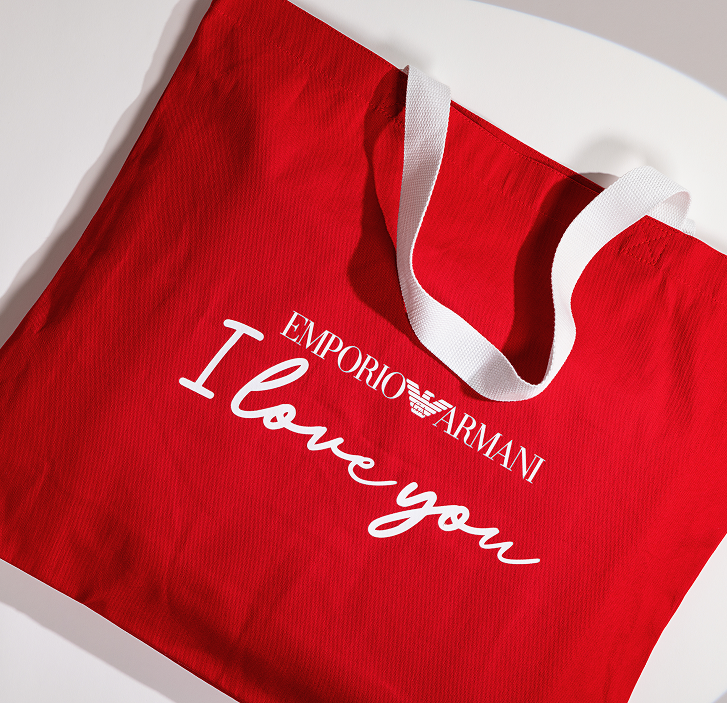
IDP Direct produceds reusable fabric totes and garment bags for Armani, with attention to handle strength, washability, and everyday wear. But a fabric bag isn't necessarily a better environmental choice just because it lasts longer. How the fabric is sourced and how often the customer uses the bag both matter.
6. Agricultural Residue and Alternative Plant Fibers
Sugarcane bagasse and wheat straw are usually left behind after crops are harvested or processed. Instead of throwing them away, manufacturers can use their fibers to make paper-like sheets and molded packaging inserts. Bamboo and hemp are also used in packaging, although they're typically grown for their fibers rather than recovered as farm waste.
The challenge is getting these materials to perform well. Some need additional processing or additives to make them strong enough, and producing them in large quantities isn't always practical. A package made from plants won't necessarily be recyclable or compostable, either. What matters is how the finished material is made and whether it can do the job.
7. Recycled Plastics, Including rPET
Recycled polyethylene terephthalate (rPET) can be made into packaging items such as ribbons, containers, and textile fibers. Using it means less new plastic is needed, but that doesn't necessarily mean the finished packaging can be recycled again.
Even something as small as a plastic ribbon on a paper gift box can make recycling more difficult. A knitted paper handle or a different closure might do the same job without adding another material. If plastic is needed, check how much recycled content it contains, whether it meets product safety requirements, and how it can be disposed of after use.
8. Emerging Materials: Seaweed, Mycelium, and Paper-Based Foams
Seaweed, fungi, and paper are being used in new ways to make packaging. Some seaweed extracts can be turned into thin films, and the remaining fibers can be used to make paper. Mycelium, the thread-like part of fungi, grows through plant waste and binds it into shapes that can protect fragile products. Paper-based foams are also being developed as cushioning materials.
There are still problems to work through before these materials can replace conventional packaging on a large scale. Moisture resistance, manufacturing costs, and disposal options vary from one product to another. IDP has explored seaweed-based materials, including those developed by Notpla. Whether they make sense for a particular package depends on what it needs to protect and how it will be produced.
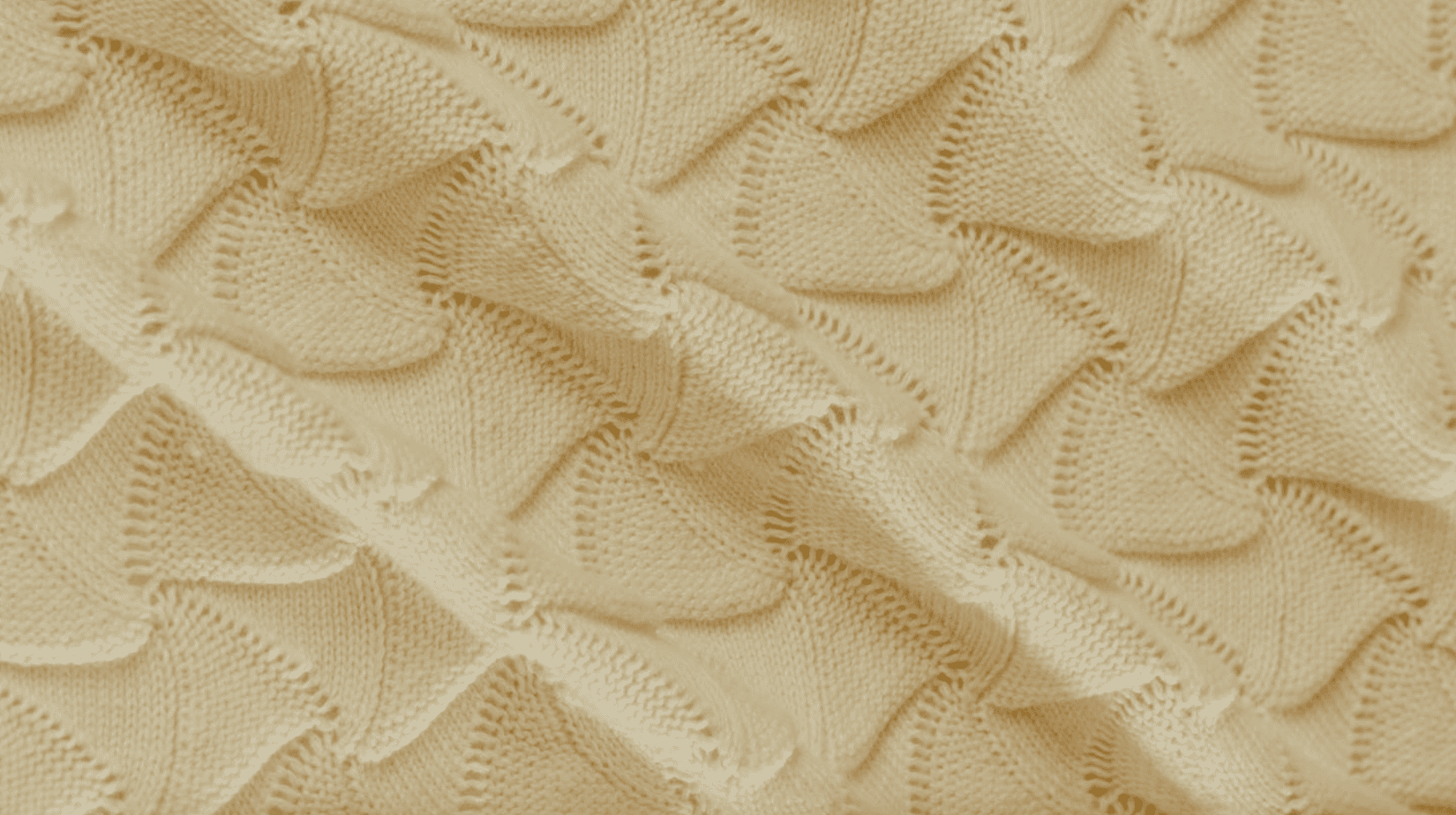
Sustainable Packaging Materials Compared
Some of these materials are used together. For example, corrugated boxes can be made with recycled paper, and molded inserts can use fibers left over from farming. That's why it's worth looking at how the whole package is made rather than focusing on the material name alone.
How to Choose Sustainable Packaging Materials for Your Brand
Remove Unnecessary Packaging First
Before choosing new materials, take a closer look at what's already in the package. Do you really need the tissue paper, insert, ribbon, and shopping bag, or could some of them be removed? IDP's Design for Absence approach focuses on cutting out unnecessary parts, making packaging smaller where possible, and improving its structure before considering alternative materials.
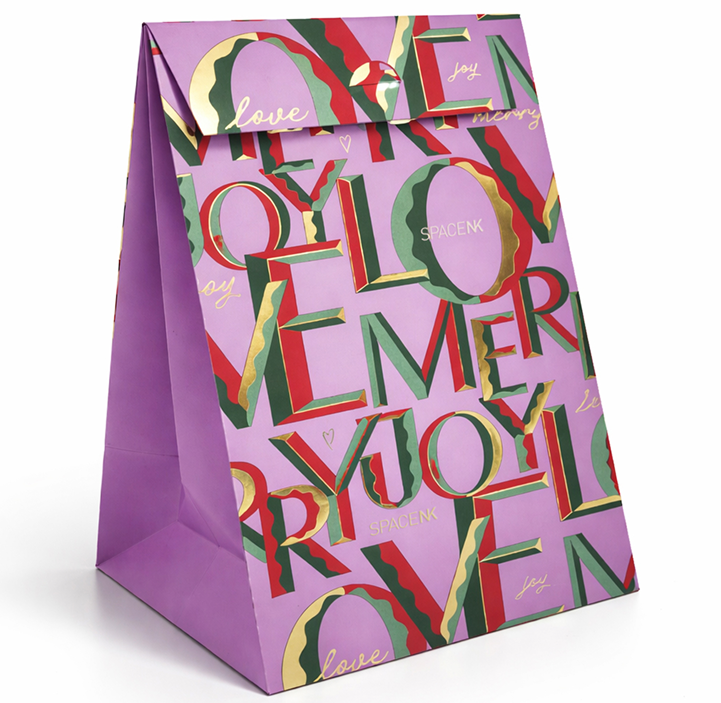
For Space NK, a redesigned bag gusset increased usable internal space without making the bag larger. Its knitted paper handles also kept the bag within a paper-based material system. These sustainable packaging examples show that packaging efficiency is not just a question of raw materials.
Test Performance Before Scaling
Build samples using the intended board grade, finish, closure, and internal structure. Test loading, handling, drop protection where relevant, assembly, and how the pack looks after realistic transportation. A material that works in a prototype may need adjustments before a full manufacturing run.
Check What Happens After Use
Recyclable, recycled, compostable, and reusable describe different things. Recycled content describes what went into a product; recyclability concerns whether it can be recovered and processed after use. Compostability depends on the finished composition and appropriate composting conditions, while reuse depends on the package surviving and actually being used again.
The U.S. Federal Trade Commission's environmental claims guidance calls for substantiated claims and qualifications when recycling or composting facilities are not widely available. Even recyclable packaging materials need a suitable collection and processing system. Check local collection rules and specify how customers should separate mixed-material components.
Ask for Evidence, Not Just a Material Name
Request fiber-content documentation, applicable FSC or recycled-content certification, technical specifications, and relevant testing. For packaging sold in the EU, the Packaging and Packaging Waste Regulation began applying in phases on August 12, 2026, making market-specific compliance review part of the packaging brief.
Material price alone is also an incomplete comparison. Account for production waste, freight volume, storage, product protection, and the number of packaging components per sale.
Frequently Asked Questions
What Is the Most Sustainable Packaging Material?
There is no single winner for every product. The better choice is the material and structure that meet protection needs with less unnecessary material and a credible route to reuse or recovery in the intended market.
Are Paper Packaging Materials Always Recyclable?
No. Many paper and corrugated products can enter established recycling streams, but coatings, attached nonpaper components, and contamination can affect acceptance. Check the finished package, not only the base paper.
Is Compostable Packaging Better Than Recyclable Packaging?
Not automatically. Compostable packaging may be helpful where an appropriate collection system exists, especially for certain food-soiled applications, but composting claims require evidence. In other settings, a well-designed recyclable paper package may be easier for customers to dispose of correctly.
Better Materials Begin With Better Packaging Decisions
Sustainable packaging starts with the actual job of the package. Choose a material only after examining the structure, the user's experience, manufacturing requirements, and the disposal options available where it will be sold.
IDP Direct helps brands develop materials and packaging structures together, from concept through production. If you're reviewing an existing packaging program or creating a new one, talk to our team about the design and manufacturing options worth testing.
Explore our factory locations, review our certifications, or talk to our team about what factory-direct manufacturing means for your brand.